
Brightening / Melasma / Redness / Blemishes[The Subtle Difference in Results] Laser Toning
![[The Subtle Difference in Results] Laser Toning](/_next/image?url=https%3A%2F%2Ffirebasestorage.googleapis.com%2Fv0%2Fb%2Fkkeutguro-7e583.firebasestorage.app%2Fo%2Fproducts%252Fdongtan%252Fen%252F1790641703912_891c95e5-1e0e-4ec3-90f0-eb489085d692_2.webp%3Falt%3Dmedia%26token%3Dfc72f171-2977-4961-a06f-ab233161c151&w=2048&q=75)
[The Subtle Difference in Results] Laser Toning
Laser toning begins with understanding the nature of the lesion in the area of concern. Before the procedure, a skin diagnostic device is used to photograph melanin distribution, erythema, epidermal/dermal depth, etc., to objectively identify the characteristics of the lesion. Based on this data, a laser wavelength suitable for the lesion is selected for a customized procedure. * VAT separate * Post-procedure care separate
Options
Treatment Details

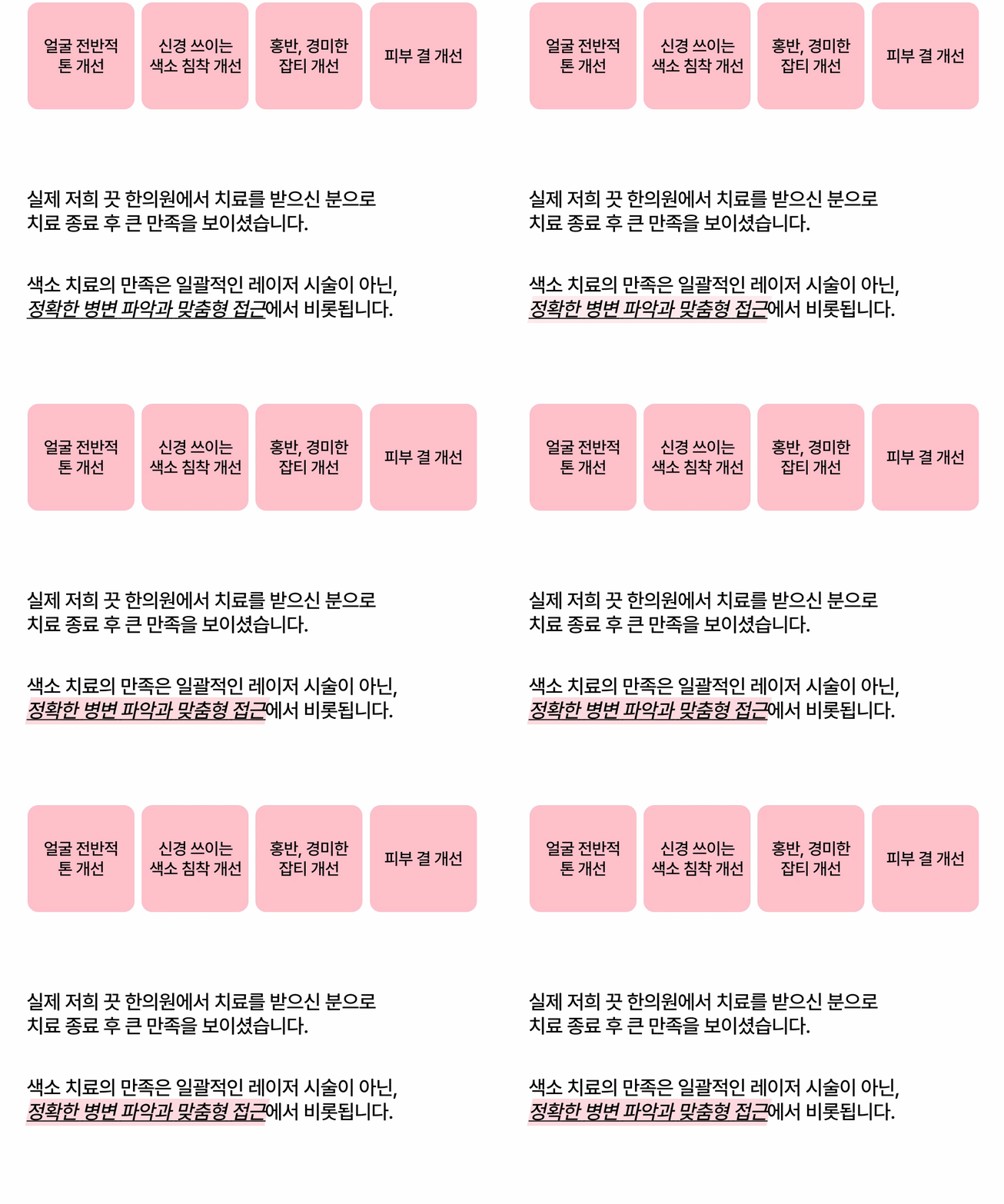





Key Features of Our Laser Toning Treatment
Toning results may vary depending on the treatment plan.
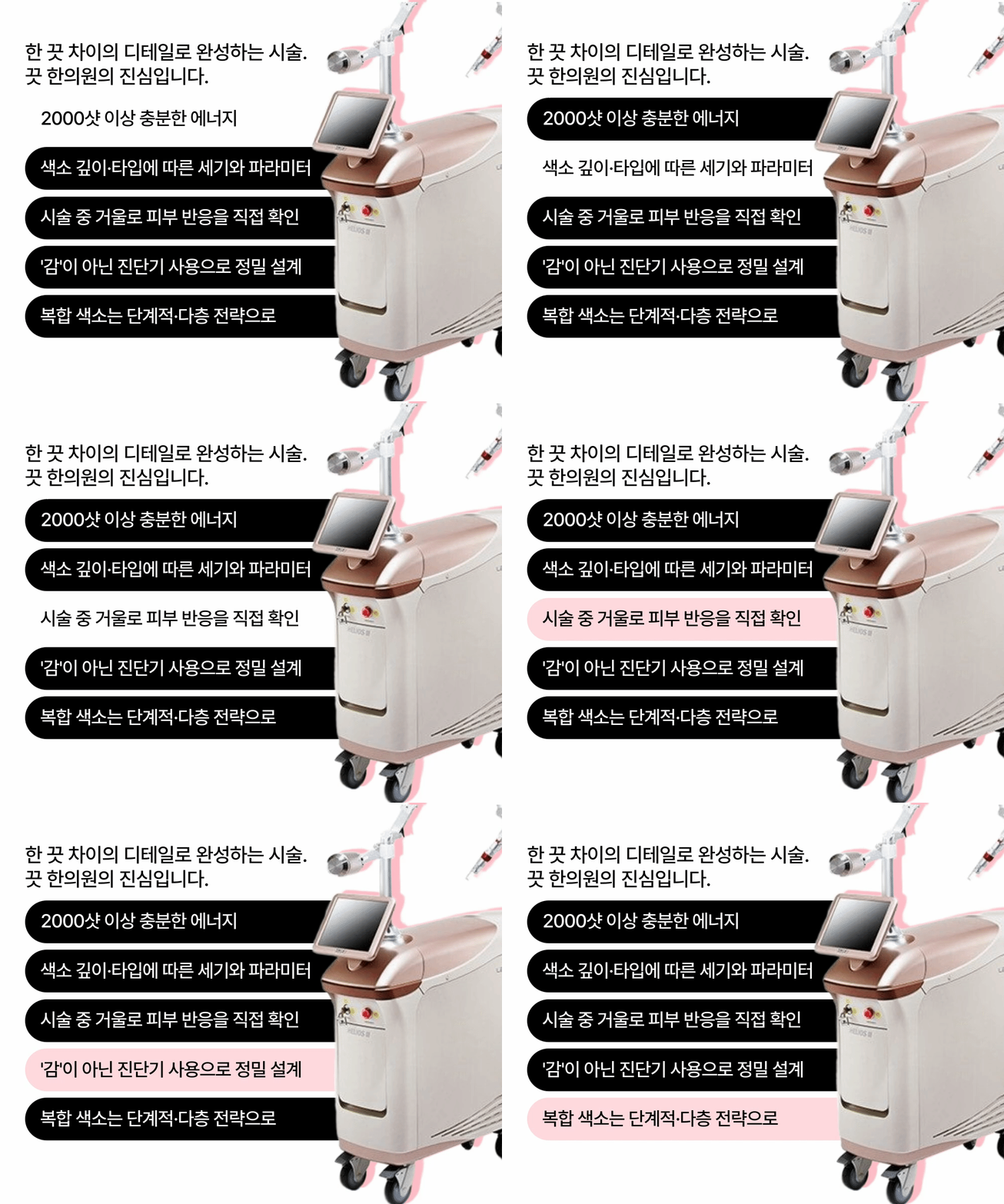
1. Application of Sufficient Shots (Over 2,000)
Rather than simply reducing the number of shots to shorten treatment time,
we meticulously understand the characteristics of pigmented lesions such as melasma, freckles, and ABNOM, and proceed with precise laser irradiation of over 2,000 shots as a standard.
We customize the number of shots, output, and spot size to suit each patient's individual skin condition.
2. Individualized Settings Tailored to the Depth and Type of Pigmentation
Melasma, ABNOM, and freckles each have different locations of occurrence and depths of pigmentation.
At our medical institution,
- we approach melasma delicately,
- and apply more intensive irradiation for ABNOM.
- Complex pigments are treated by separating them layer by layer in the skin.
- In this way, we apply differentiated parameters according to the lesion area and disease characteristics.
3. Patient Response Confirmation and Real-time Parameter Adjustment During Treatment
We do not simply irradiate with the laser and finish the treatment.
During the procedure, the medical staff directly monitors the patient's visual reaction,
and immediately adjusts the laser intensity, spot size, and handpiece manipulation technique
to meticulously ensure uniform energy delivery throughout the treated area.
4. Establishing a Treatment Plan Through Mark-Vu Precision Diagnosis
After first analyzing the depth, distribution pattern, and type of pigmented lesions with specialized diagnostic equipment,
we precisely configure the laser output based on the analyzed data.
It is our clinic's principle to perform treatments based on objective data rather than relying on intuition.
5. 'Multi-layered Approach' to Complex Pigmentary Disorders
When melasma and ABNOM appear in combination,
it is generally a safer treatment approach to stabilize melasma first, and then target dermal pigments.
Our medical institution meticulously understands the individual reaction characteristics of each pigment,
and establishes a step-by-step treatment strategy from the very first session.
What Makes Our Clinic's Toning Treatment Different
Laser toning is not merely the name of a device; differences in results can arise depending on the skill level of the treatment 'design'.
Since skin pigmentation varies in depth of deposition, distribution range, and cellular reactivity,
the number of shots, output energy, irradiation speed, spot size, and even wavelength
each parameter must be organically adjusted to suit individual patients.
At our clinic, these parameters are precisely readjusted for each session during treatment.
Key Features of Picotoning and Laser Toning
- Picotoning: The laser irradiation time is very short, which can lead to rapid initial reactions.
- Laser Toning: It allows a stable approach to sensitive melasma lesions with relatively low stimulation.
- From a long-term perspective, when undergoing cumulative treatment (e.g., 10 sessions or more), both methods can be expected to have similar effects on skin brightening and melanin reduction.
What is most important is
sufficient shots (over 2,000), precise output control, and consistent treatment maintenance at 1-2 week intervals.
The harmony of these factors can contribute to achieving good results.
Key Principles of Laser Toning
- Delicately breaks down existing pigmentation.
- Inhibits the activity of melanosome dendrites, the pathways for pigment migration, preventing pigmentation from becoming darker.
- Directly destroys melanin pigment within melanocytes.
Expected Effects of Laser Toning Treatment
- Overall clearer skin tone
- Improvement in pigmentation such as melasma, blemishes, and ABNOM is expected.
- Can help prevent the recurrence of pigmentation.
- Auxiliary improvement in skin texture and fine lines can also be expected.
- With minimal irritation, it can be considered for sensitive skin.
Who should consider the treatment
- Individuals with dull-looking skin tone
- Individuals concerned with pigmented lesions such as melasma, blemishes, freckles, and ABNOM
- Individuals with sensitive skin who have had difficulty choosing treatments
- Individuals who desire both skin texture improvement and fine line management
Laser Toning Treatment Procedure
- Precise skin diagnosis using Mark-Vu equipment
- Establishing a personalized treatment plan through 1:1 consultation with medical staff
- Toning treatment performed with parameters tailored to individual skin condition
- Adjusting intensity while checking changes in the mirror during the procedure
- Re-checking skin condition after treatment and providing guidance on post-treatment progress
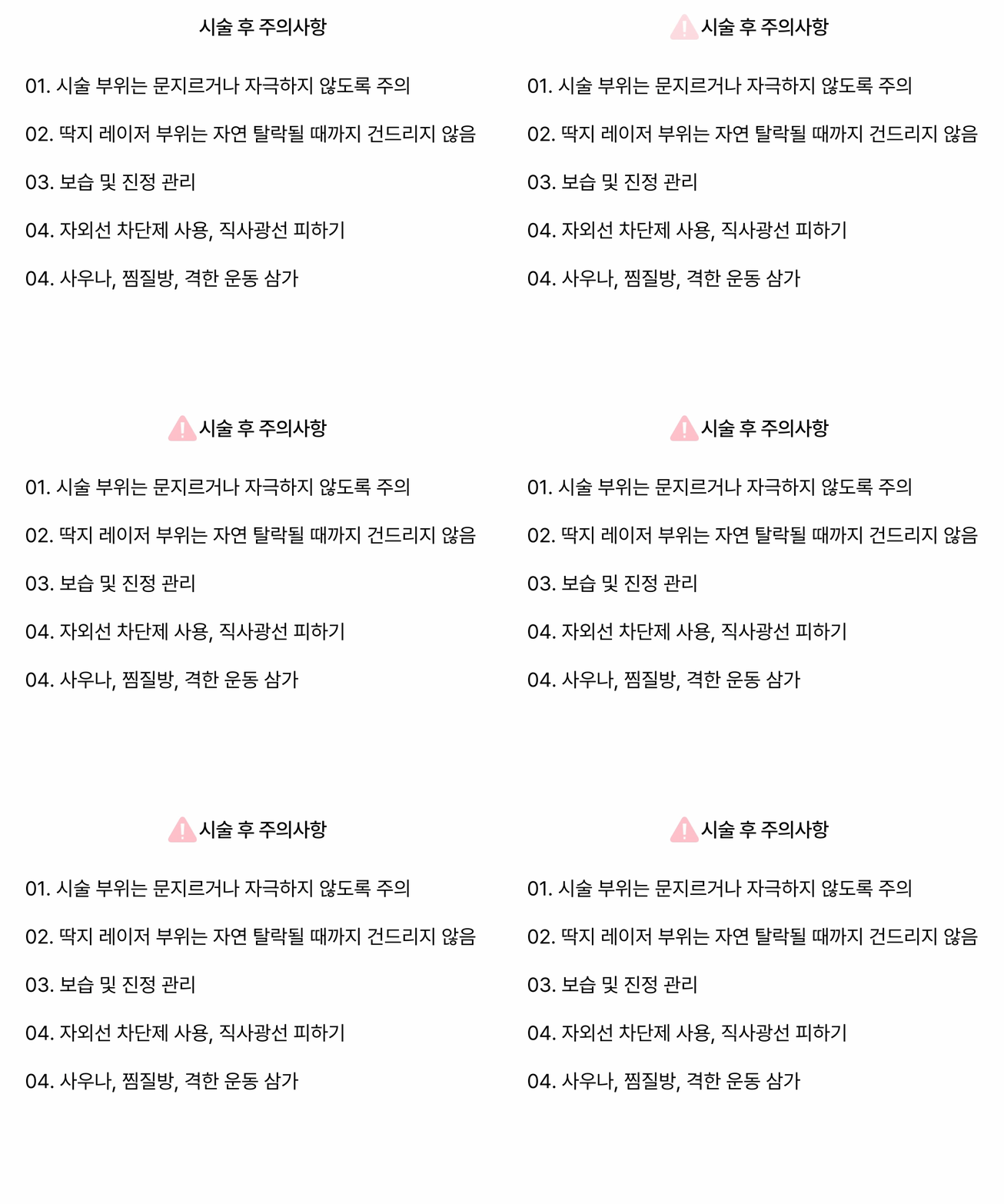
Post-Laser Toning Treatment Care
- Washing your face and applying makeup are possible on the day of the procedure.
- It is important to apply sunscreen thoroughly.
- Temporary redness or warmth may appear on the treated area, which is a natural reaction.
- If symptoms persist for several days or more, it is recommended to contact the clinic or visit for a consultation.
Q&A
고객님들이 가장 많이 물어보시는 내용을 모았습니다.
What are the recommended intervals and number of sessions for toning procedures?

Typically, procedures are often received at intervals of 1-2 weeks, and generally, 10 or more sessions can be considered. This may vary depending on the individual's skin condition, so it is best to consult with a specialist for detailed information.
Can acne appear after a toning procedure?
After laser toning, acne may temporarily appear on skin with active sebaceous gland activity. These symptoms usually tend to subside naturally over time, so there's no need to worry excessively. After the procedure, it's important to be careful not to irritate the skin and to provide sufficient moisturizing care. If discomfort persists for more than a week, we recommend visiting the clinic to have your skin condition checked.
Is Pico Toning really more effective than Nano Toning?
Pico Toning is characterized by a shorter laser irradiation time than Nano Toning. However, in terms of actual clinical improvement effects, there is no significant difference between the two procedures.