


[Meticulous Doctor] Tattoo Removal[Semi-Permanent Tattoo Removal] Eyebrow Tattoo Removal
![[Semi-Permanent Tattoo Removal] Eyebrow Tattoo Removal](/_next/image?url=https%3A%2F%2Ffirebasestorage.googleapis.com%2Fv0%2Fb%2Fkkeutguro-7e583.firebasestorage.app%2Fo%2Fproducts%252Fguro%252Fen%252F1758873276552_20dc2f6d-7026-4f97-b018-741967fb4465_ghfj.webp%3Falt%3Dmedia%26token%3D1551abf1-d5d2-4404-bfdb-2443e48498b6&w=2048&q=75)
[Semi-Permanent Tattoo Removal] Eyebrow Tattoo Removal
Safely and cleanly remove failed and old eyebrow tattoos! * VAT separate
Options
Treatment Details

A Delicate Approach to Eyebrow Tattoo Removal
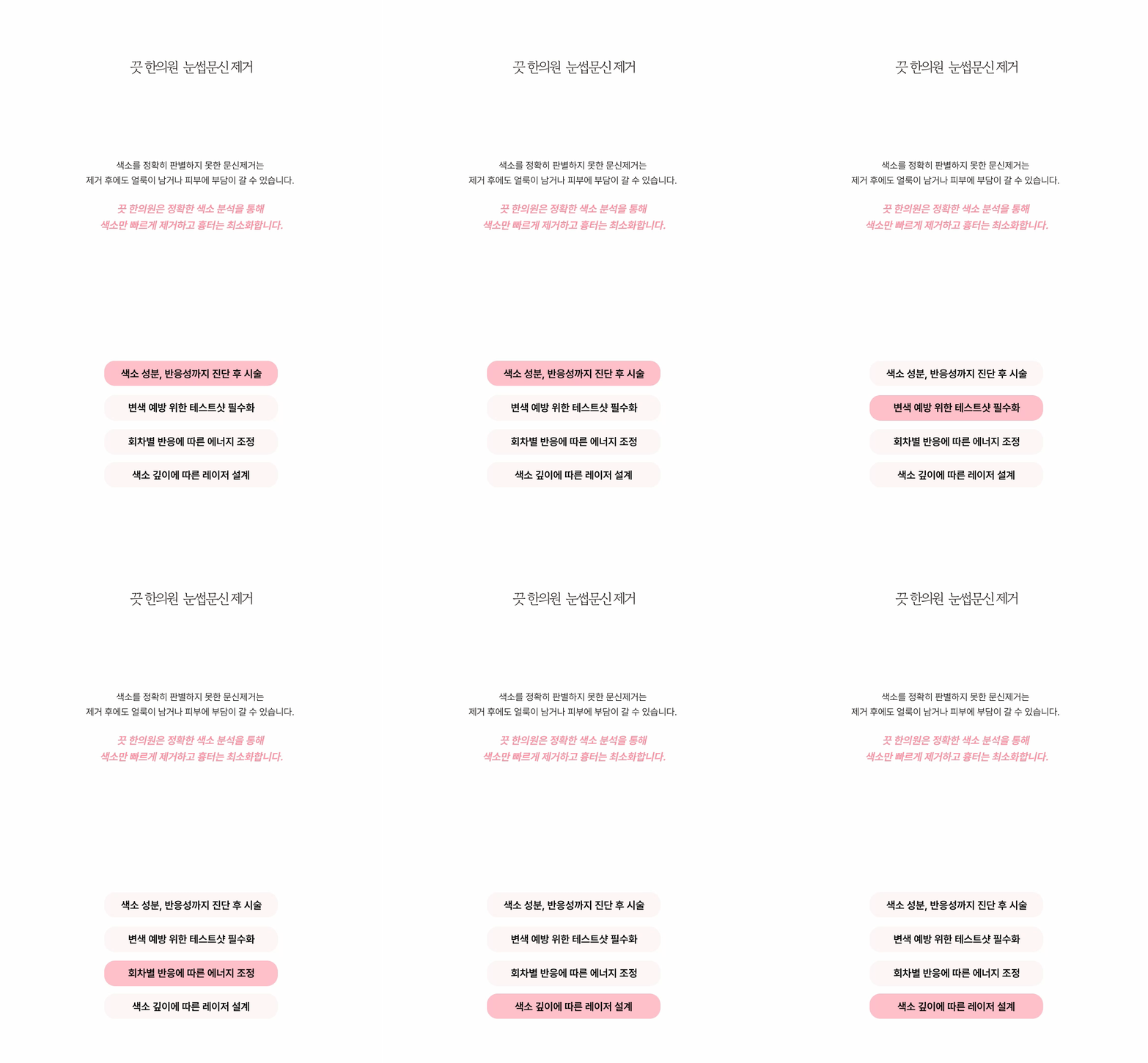
1. Precise Diagnosis by Pigment Type
Rather than just looking at the color, we meticulously analyze the pigment's components, penetration depth, and concentration.
2. Pre-treatment Test Shot
Before treatment, a test irradiation is performed to check for potential pigment discoloration.
3. Step-by-Step Treatment Plan Establishment
After each treatment, we observe the skin's reaction and adjust the detailed plan for the next session.
4. Differentiated Irradiation by Pigment Depth
We apply multi-layered treatment using various wavelengths tailored to the pigment's depth.
Considerations for Eyebrow Tattoo Removal
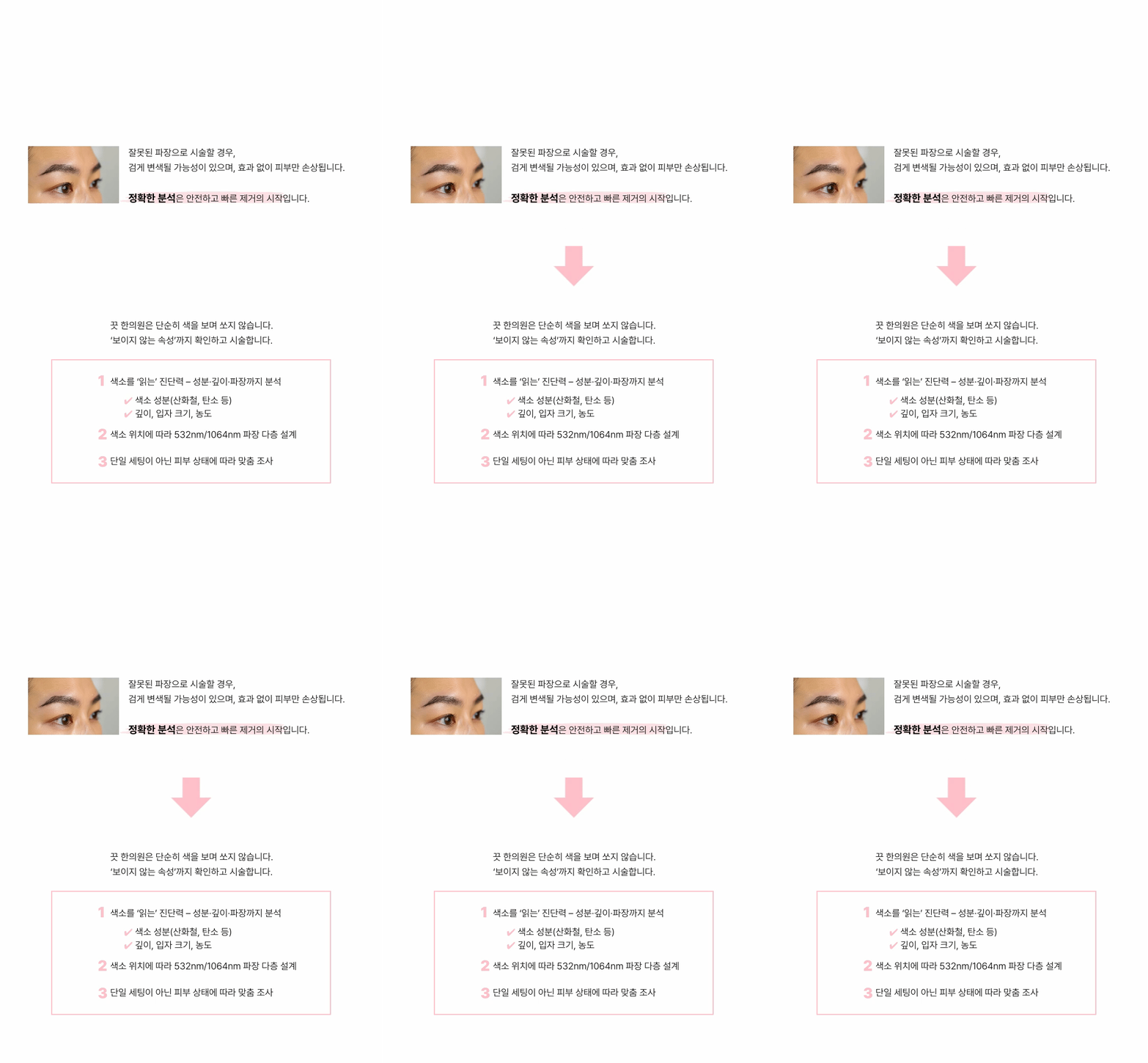
1. Customized Diagnosis through Pigment Analysis
Applying laser treatment solely based on color can lead to unexpected results.
We analyze the pigment's components (e.g., iron oxide, carbon, complex inks, etc.) and provide a precise diagnosis that considers each pigment's wavelength responsiveness, location within the skin, and concentration.
Since the appropriate wavelength and energy vary depending on which skin layer the pigment is actually distributed in and what the particle size is, clinical judgment is crucial.
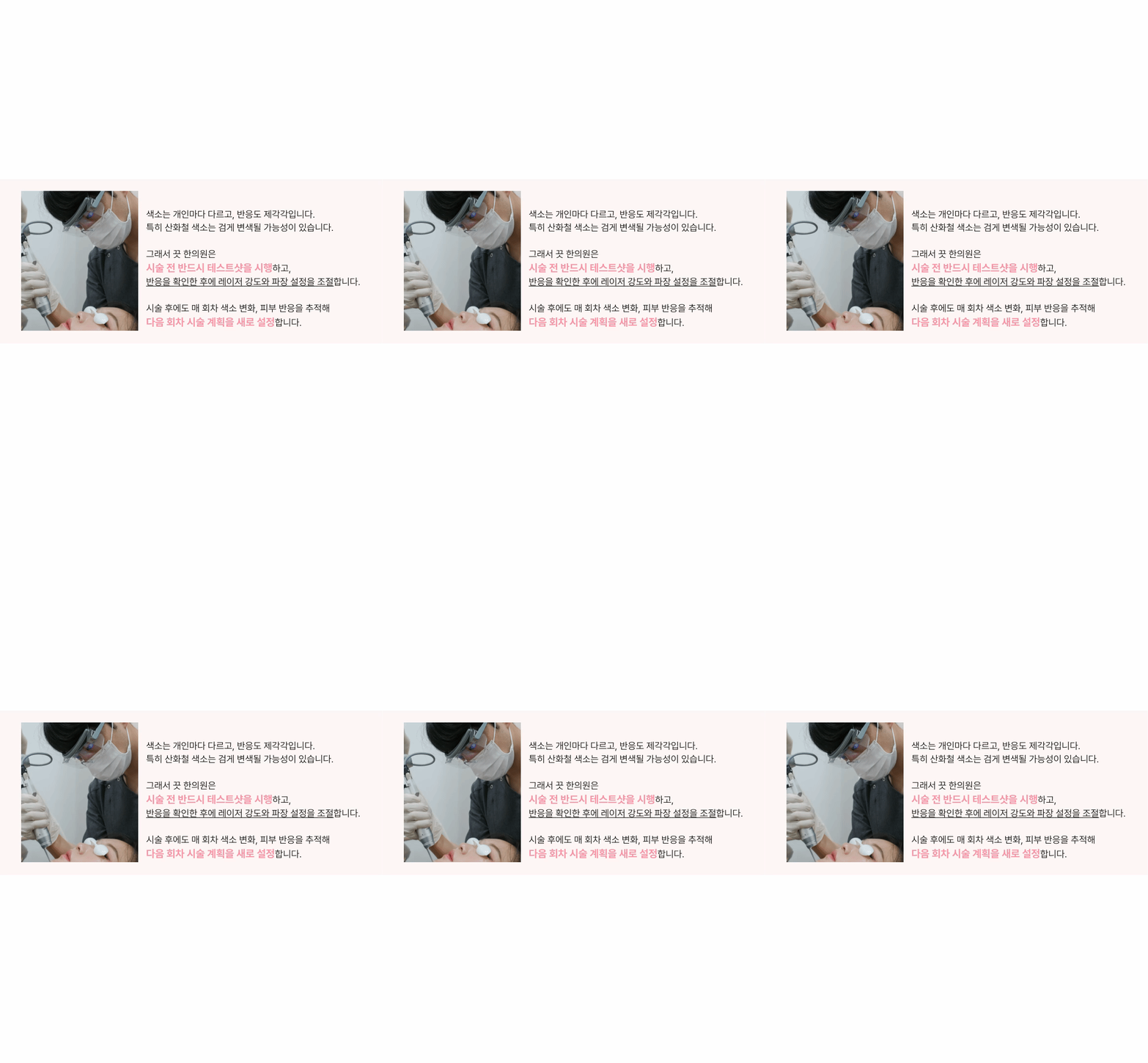
2. Test Shot System for Discoloration Prevention
In the case of iron oxide-based pigments, a 'reverse reaction' where the pigment turns black upon laser irradiation may occur.
We perform a pre-treatment test shot for all individuals to check the pigment's reaction in advance and assist in setting the appropriate energy and wavelength.
If there is a possibility of discoloration, we adjust the intensity gradually and approach carefully.
3. Treatment Plan Adjustment Based on Individual Progress
Rather than simply repeating a fixed number of sessions, we consider each individual's condition every time.
In each session, we observe the pigment's reaction and adjust the next treatment plan accordingly.
For example, if discoloration occurs after the first treatment, subsequent wavelength selection may be altered, and treatment intervals may also be adjusted according to the skin's recovery speed.
4. Precise Multi-Layer Design by Pigment Depth
Eyebrow tattoo pigment is primarily located in the upper dermis, but its depth and distribution can vary from person to person. We delicately adjust the laser irradiation depth, separating 532nm for shallow epidermal pigments and 1064nm for deep dermal pigments, to plan a multi-layered treatment.
Instead of a uniform single setting, irradiation is performed in a suitable manner according to the pigment's location.
Basic Principles of Eyebrow Tattoo Removal
Eyebrow tattoo removal is based on the principle of Selective Photothermolysis.
What is Selective Photothermolysis?
It means that light energy is selectively absorbed only by specific pigment particles,
and this energy is converted into heat, causing the pigment particles to expand at high temperatures and break down.
It is a principle designed to selectively remove only the pigment while minimizing damage to surrounding tissues.
During this process, the laser wavelength is carefully chosen according to the pigment's characteristics.
The 1064nm wavelength penetrates deep into the dermal layer and can be expected to be effective primarily for black and brown pigments,
while the 532nm wavelength primarily acts on the epidermal layer and is suitable for brighter pigments such as red and orange.
However, not only the wavelength but also the pulse duration is a crucial factor.
For eyebrow tattoo removal, short pulses of nanosecond or less are used. This is to concentrate powerful energy on pigment particles within a short period.
When energy is concentrated in such a short time, it reduces the spread of heat to surrounding tissues, causing only the pigment particles to fragment or turn into a gaseous state locally due to high pressure and temperature.
Subsequently, these finely broken-down pigment particles are engulfed by our body's macrophages and then gradually expelled through the lymphatic system.
This expulsion process usually begins with an initial lymphatic reaction between 3 days and 2 weeks after treatment, where pigment particles migrate to lymph nodes and other areas for processing.
Even after that, the remaining pigment gradually diminishes over several weeks to months through continuous immune responses and lymphatic circulation.
Tattoo removal is not just about burning with heat. It is a process that precisely breaks down only the pigments within the skin, helping the body naturally absorb and excrete them.
The shorter the pulse duration, the more finely and uniformly pigment particles can be broken down. These tiny fragmented particles help the immune system recognize and process them more effectively, which can positively impact the efficiency and safety of the procedure.
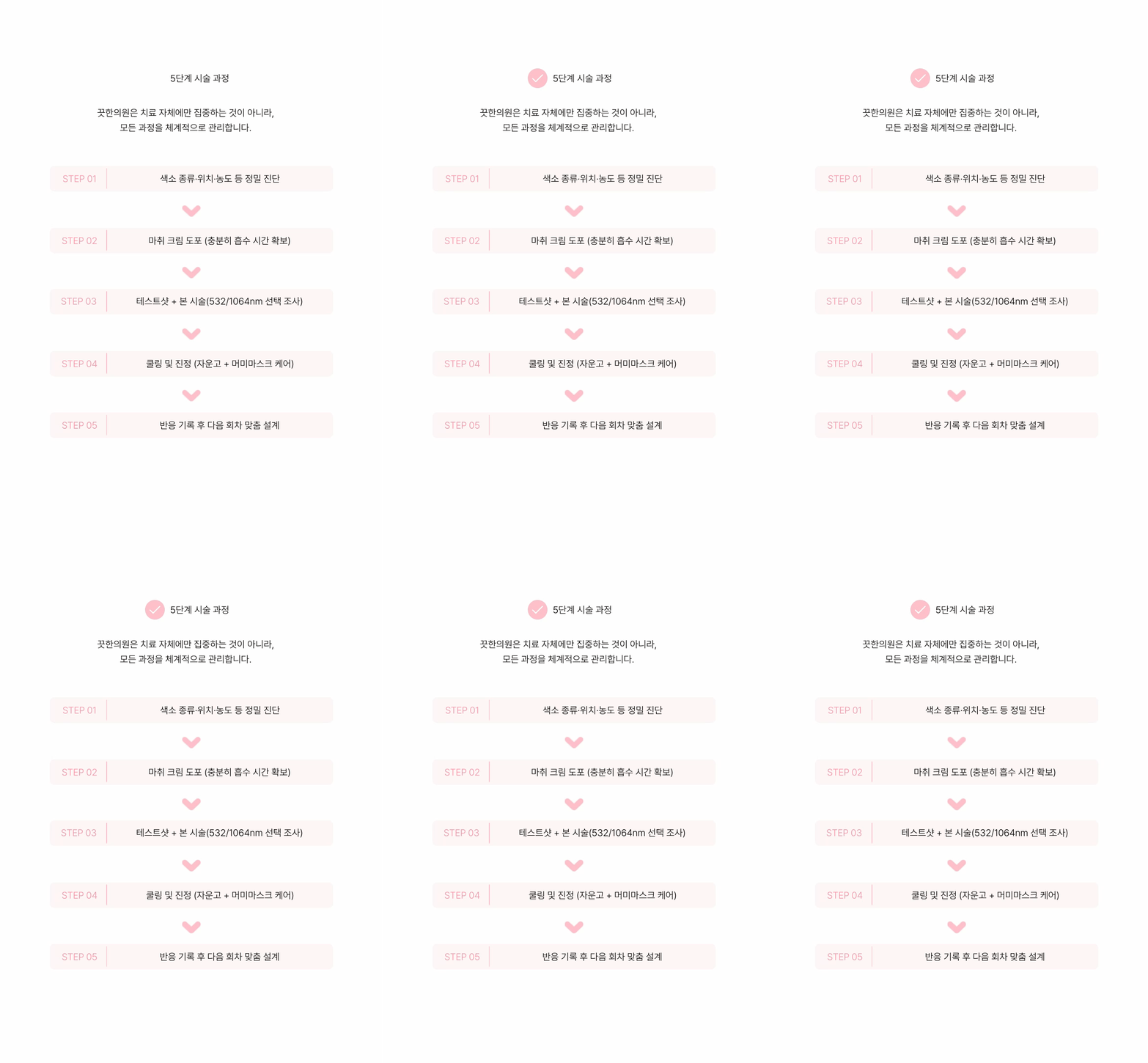
Eyebrow Tattoo Removal Procedure
STEP 1. Customized Pigment Diagnosis
We comprehensively evaluate various factors such as the type of tattoo pigment, its location within the skin, concentration, and potential for oxidation.
STEP 2. Anesthetic Cream Application
We apply a sufficient amount of local anesthetic cream to the treatment area to minimize discomfort.
STEP 3. Test Shot and Laser Treatment
First, a test shot is performed to check skin reaction. Afterwards, a wavelength suitable for the tattoo pigment (1064nm/532nm) is selected for treatment, and the laser intensity can be adjusted based on the skin's reaction during the procedure.
STEP 4. Cooling and Soothing Care
To alleviate any white reaction or redness that may appear after the procedure, we provide soothing care using regenerating ointment and Jaungo (a traditional Korean herbal ointment).
STEP 5. Reaction Recording and Session Planning
After checking the progress and reaction of the treated area, we establish the direction and plan for the next session.
Eyebrow Tattoo Removal Pain and Aftercare
- After applying anesthetic cream, most people may experience a tolerable stinging sensation.
- The white reaction or temporary redness observed immediately after the procedure usually tends to subside within a few hours.
- Occasionally, scabs or redness may appear, but these generally subside within 2-3 days.
Treatment Cycle
- We recommend treatments at 4-6 week intervals to allow for sufficient skin recovery and efficient pigment excretion. It is advisable to maintain an interval of at least 4 weeks.
- Depending on the pigment concentration of the tattoo or the patient's skin type, 3 to 5 or more sessions may be required.
- If the treatment intervals are too short, there is a risk of skin damage or pigment discoloration. Sufficient time must be allowed for the pigment to be metabolized within the body to expect effective treatment results.
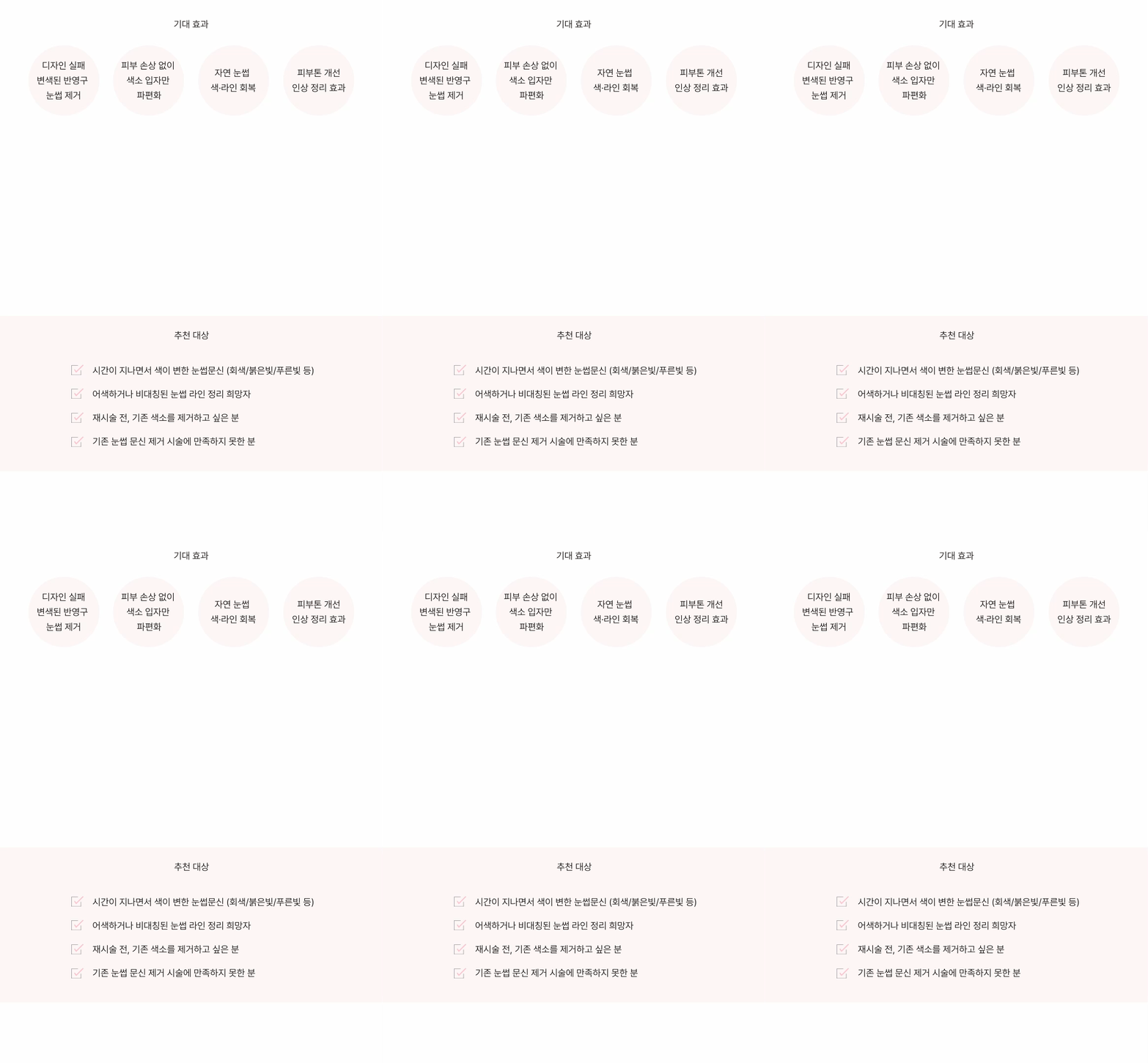
Recommended for
- Those with semi-permanent eyebrow tattoos that have changed color over time (e.g., discolored to gray, red, blue, etc.)
- Those considering removal due to an unnatural eyebrow tattoo design or left-right asymmetry
- Those who need existing pigment removed for a new eyebrow tattoo
- Those who wish to regain a more natural look
- Those who previously had an eyebrow tattoo but were unsatisfied with the results
A Message from the Chief Director
Eyebrow tattoo removal is a procedure that requires precision beyond simply applying a laser.
Diagnosis must comprehensively consider various factors such as the pigment's location within the skin, depth, particle size, composition, and potential for future discoloration.
Especially in cases where unexpected reactions may occur, such as with iron oxide-based pigments, meticulous diagnosis based on extensive clinical experience and precise adjustment of equipment settings are far more crucial than mechanical laser application.
It is advisable to consult a clinic that thoroughly analyzes pigment components and performs reactivity tests before treatment, rather than one that simply uses the device according to preset parameters.
Tattoo removal procedures have limitations when relying solely on equipment; the practitioner's skill and judgment play a crucial role.
Only when a medical team's clinical data, treatment experience, and delicate judgment are combined can safe and satisfactory results be expected.
As the chief director, we approach each and every nuance of our patients' eyebrows with utmost care.
Because precise analysis can lead to predictable treatment results, we meticulously monitor all progress from the diagnostic stage through the post-treatment recovery process and take necessary measures.
We will strive to ensure that this approach to treatment leads to positive outcomes.
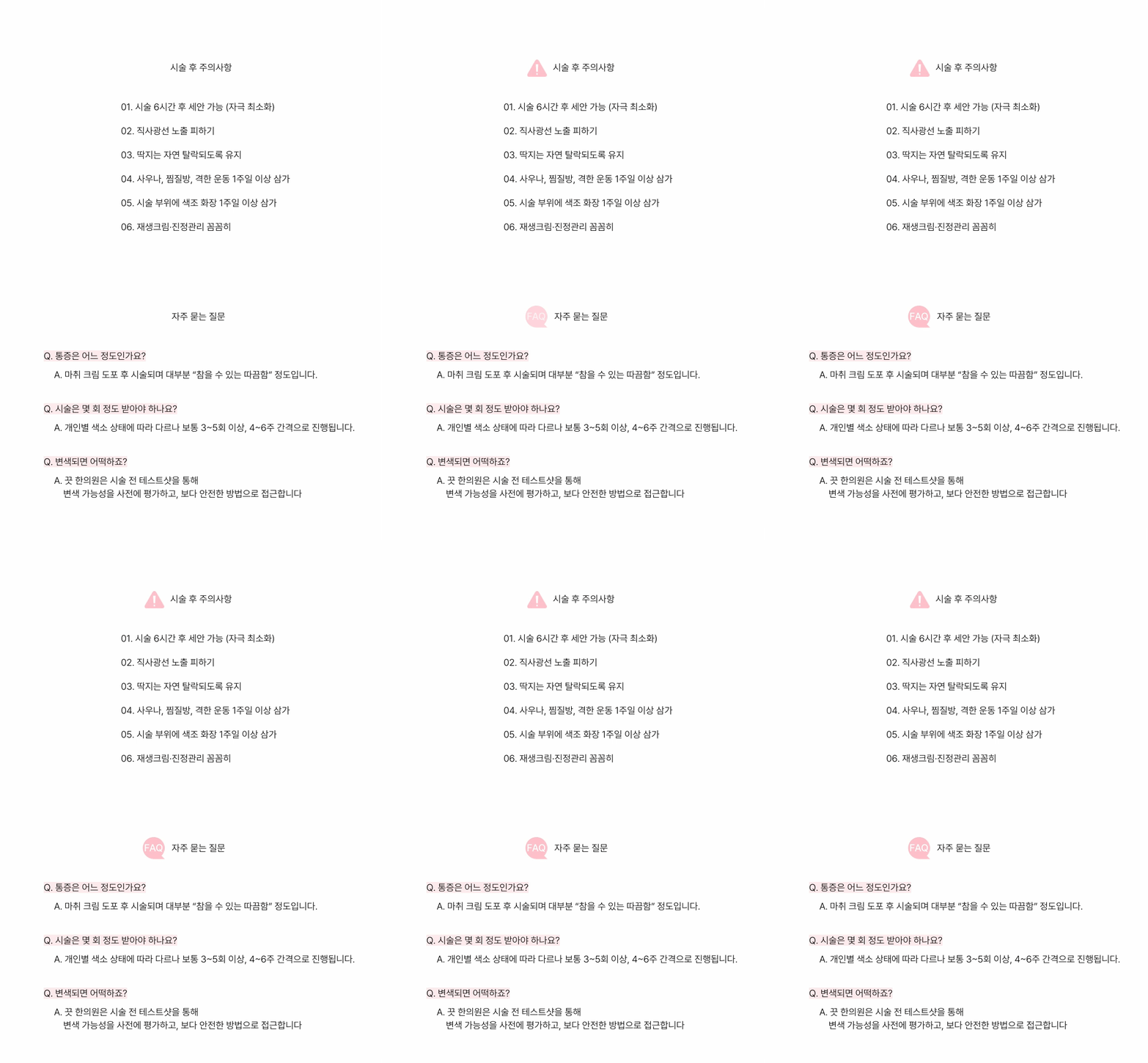
Post-Treatment Precautions
- It is best to avoid washing your face and prevent water from touching the treated area for at least 6 hours after the procedure to avoid irritation.
- It is important to protect the treated area from sun exposure by applying sunscreen and wearing a hat or sunglasses.
- It is recommended to let any scabs formed after the procedure fall off naturally, without forcibly picking or removing them.
- Consistently applying skin regeneration cream can help with recovery.
- For about 1 week after the procedure, it is best to avoid visiting saunas, jjimjilbangs (Korean bathhouses), or engaging in strenuous exercise.
- Please refrain from using cosmetics on the eyebrow area for at least 1 week after the procedure.
Q&A
고객님들이 가장 많이 물어보시는 내용을 모았습니다.
How soon after getting an eyebrow tattoo can I receive removal treatment?

You can consider removal treatment at least 4 to 6 weeks after receiving semi-permanent eyebrow tattoo treatment.
How many sessions are usually needed for tattoo removal?
It varies depending on the depth and type of tattoo pigment, and individual skin reactions. It is generally advisable to receive several sessions at intervals of about 4 to 6 weeks.
Do I need to purchase a separate ointment to use after the procedure?
After eyebrow tattoo removal, the skin may experience some irritation. We will provide an ointment to help manage this at our clinic.