
[Meticulous Doctor] Tattoo Removal[NO 8-week wait!] R0 Tattoo Removal
![[NO 8-week wait!] R0 Tattoo Removal](/_next/image?url=https%3A%2F%2Ffirebasestorage.googleapis.com%2Fv0%2Fb%2Fkkeutguro-7e583.firebasestorage.app%2Fo%2Fproducts%252Fbupyeong%252Fen%252F1791281483278_60c0af21-71e1-4e9b-8d00-afe1cf2e4e41___-____.webp%3Falt%3Dmedia%26token%3Dd7c2ca7a-8ab8-4c36-847f-8360e07eddd7&w=2048&q=75)
[NO 8-week wait!] R0 Tattoo Removal
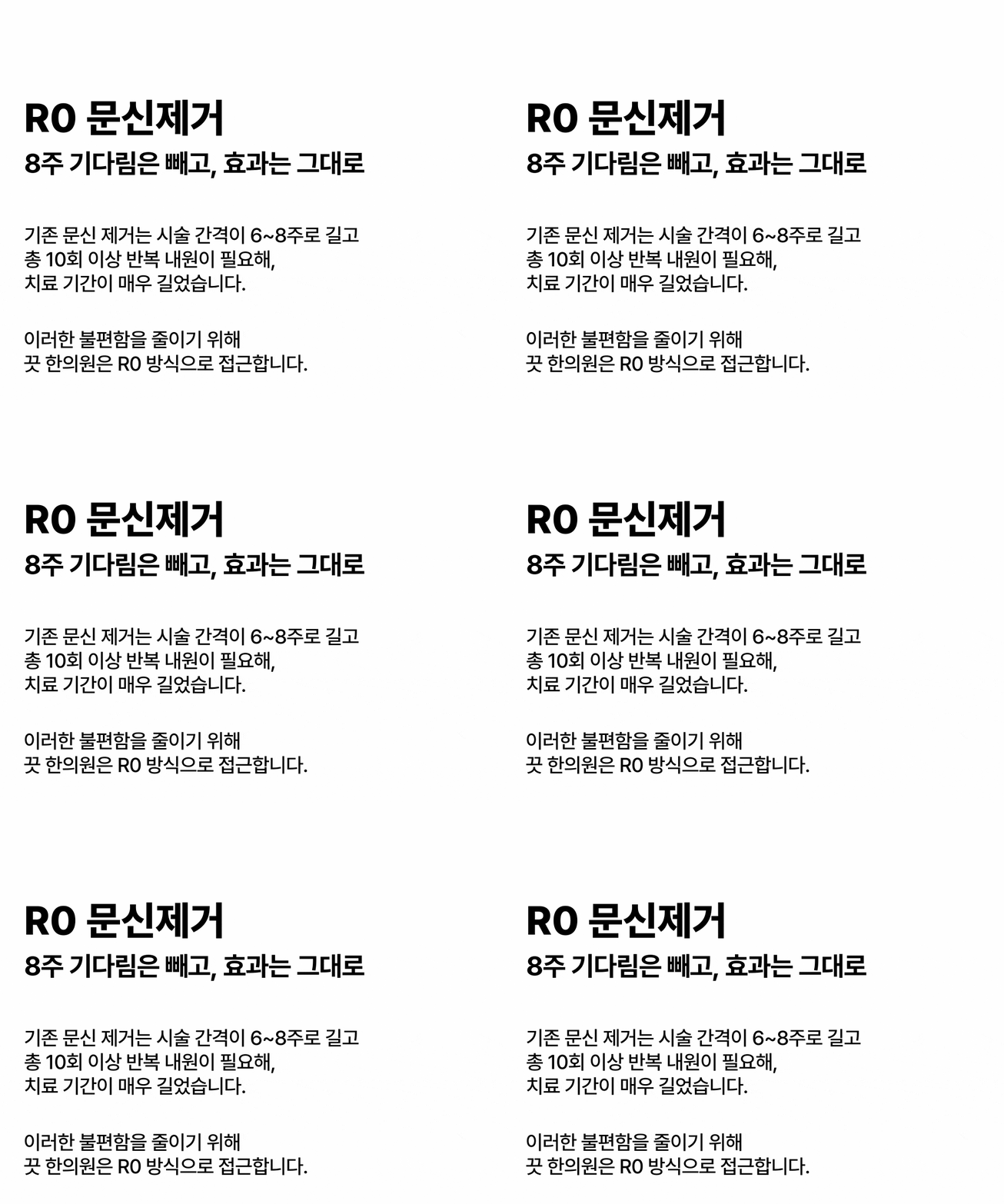
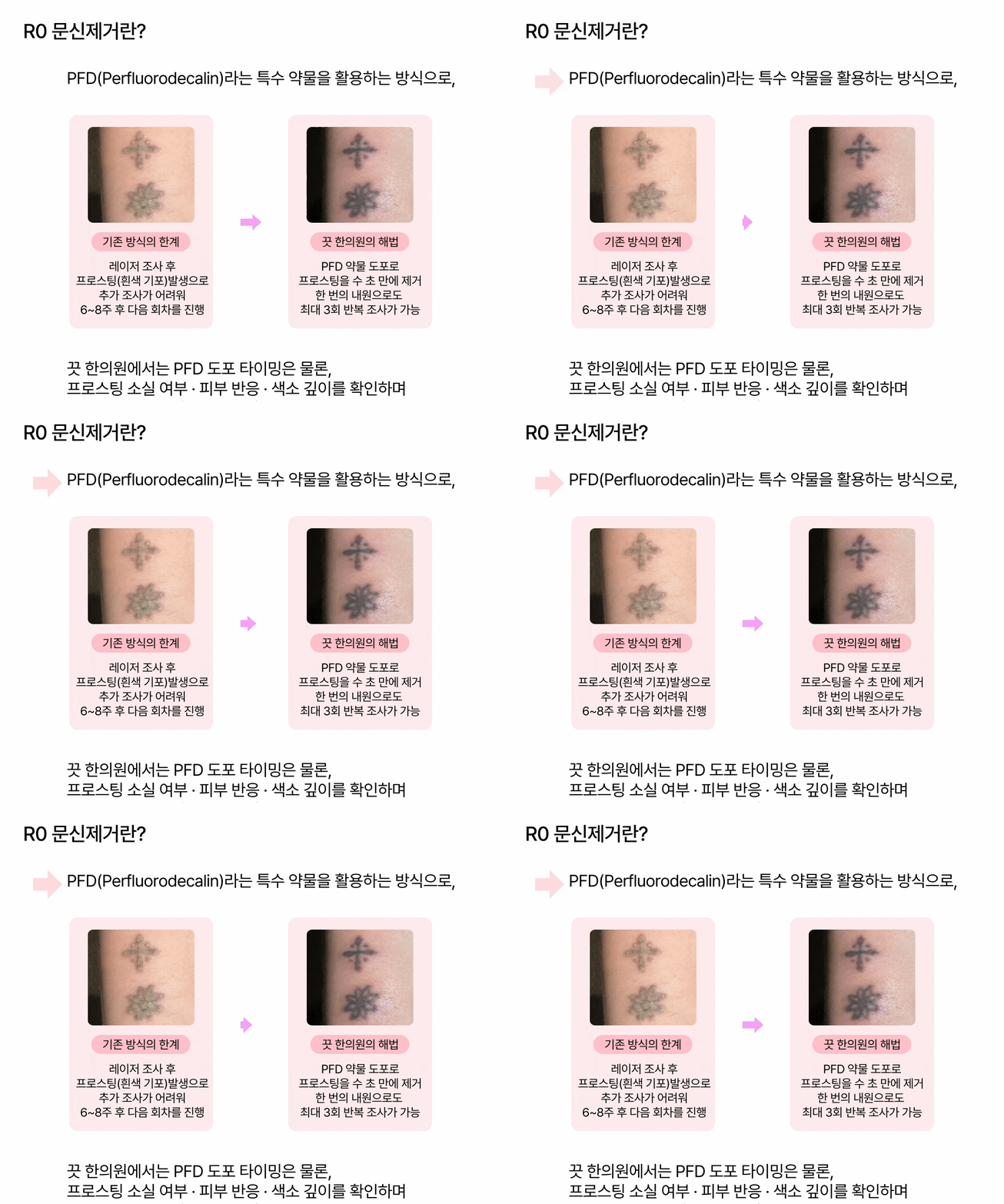
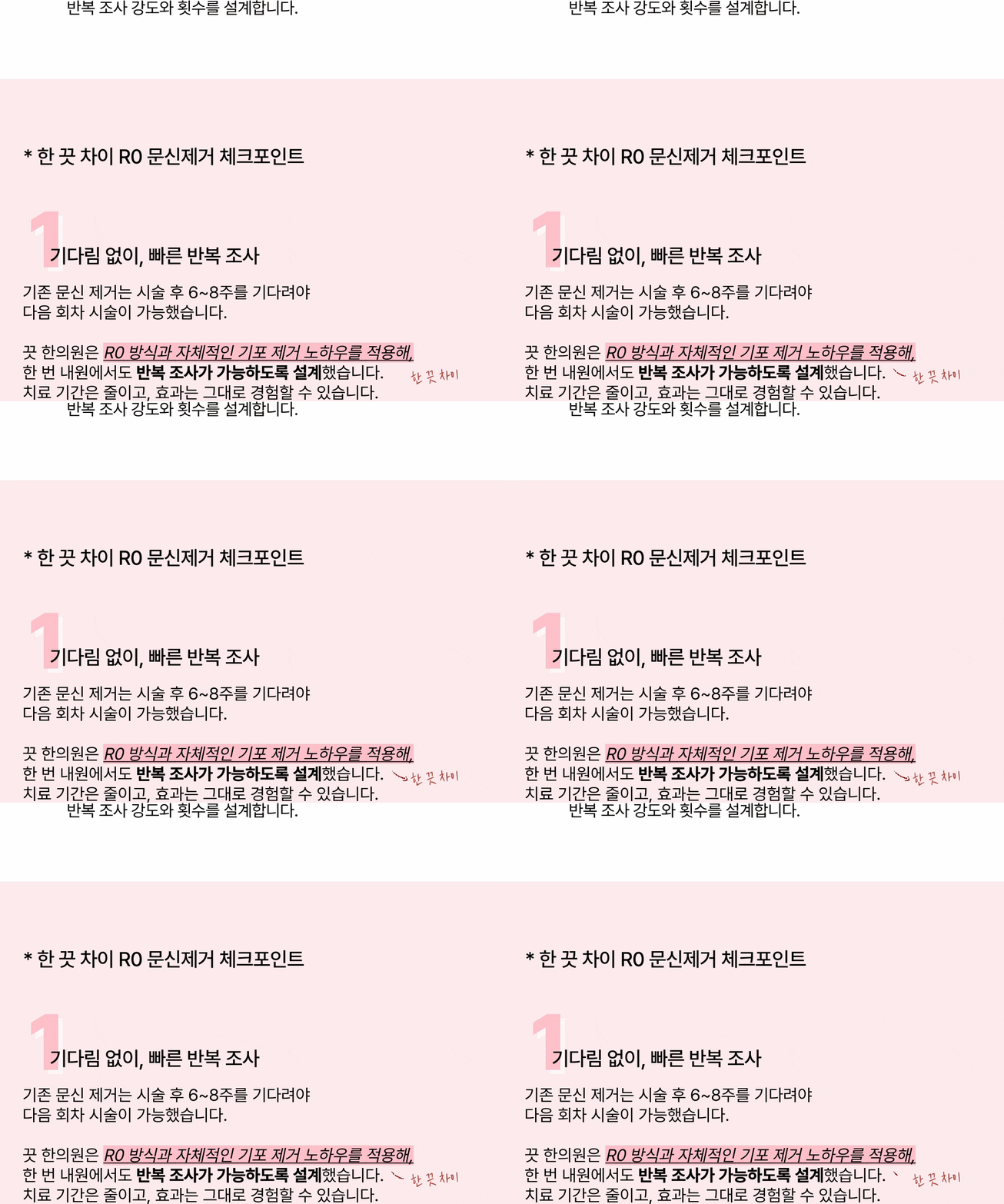
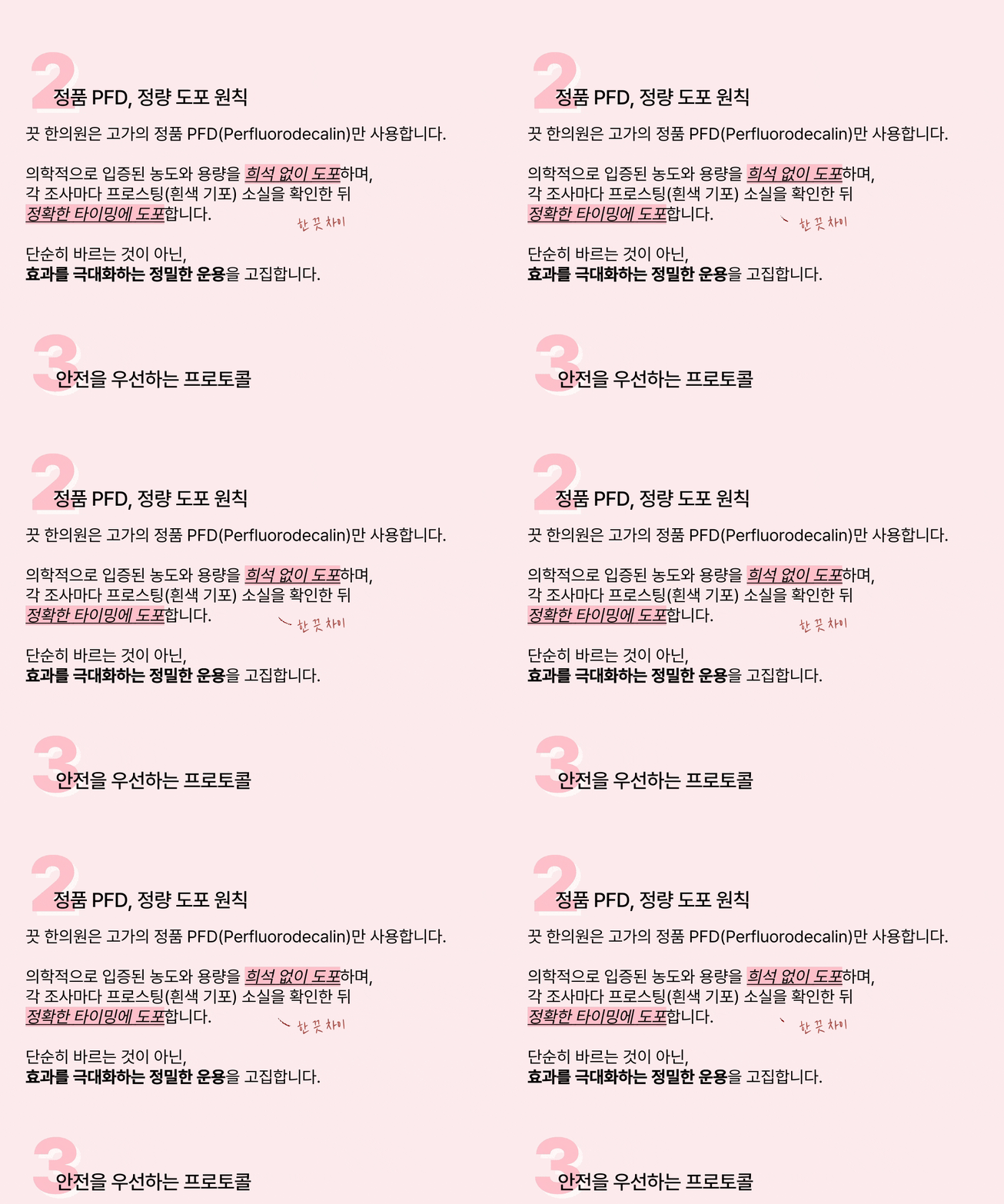
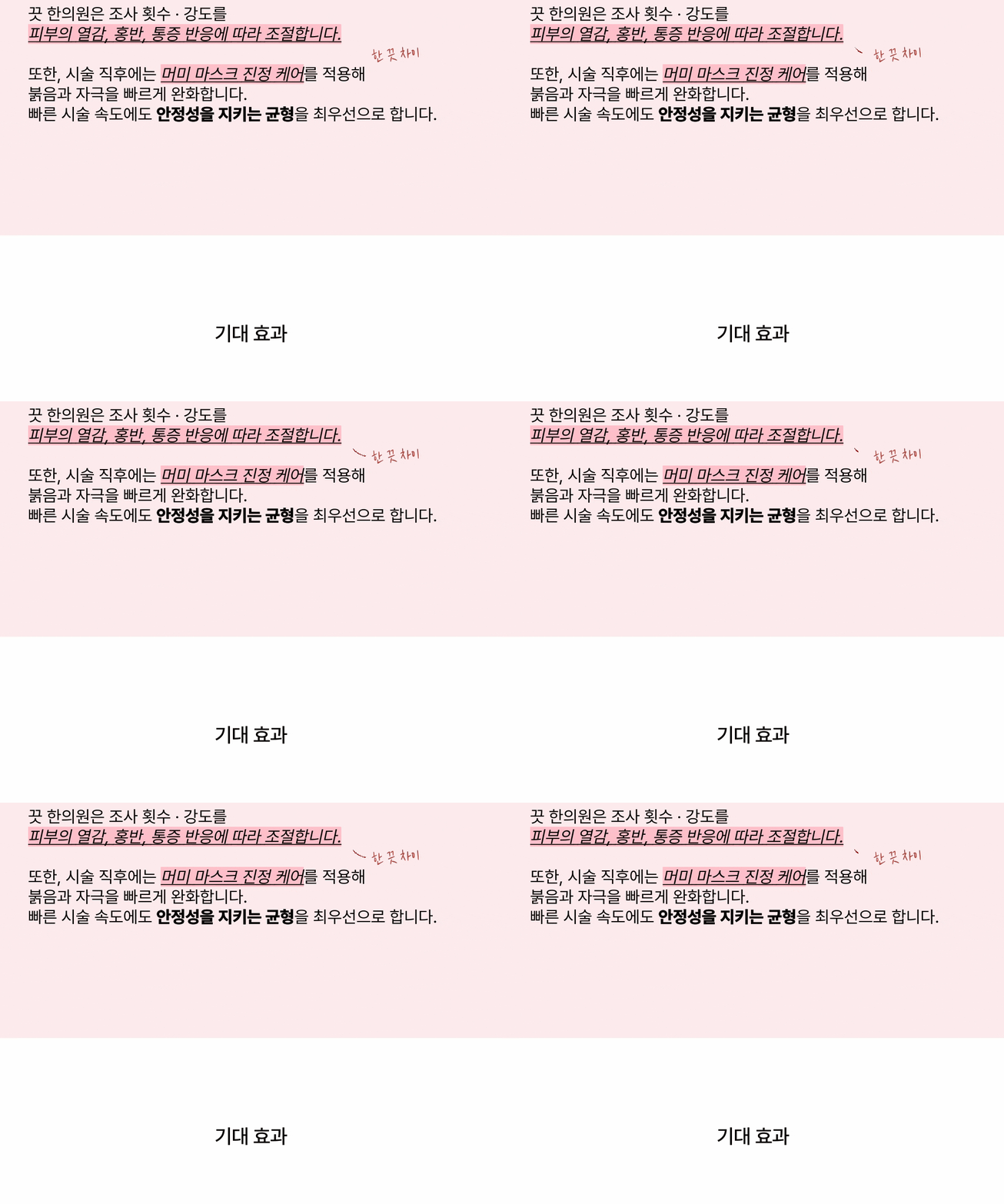
No more waiting a month after each session! Three treatments in one visit! Kkeut Clinic R0 Tattoo Removal R0 tattoo removal is a method where the laser is applied 3 times in a single visit. This can reduce the time and number of visits compared to traditional methods. At Kkeut Clinic, we apply the R0 method and our proprietary bubble removal know-how, allowing for repeated laser application even in a single visit. You can shorten the treatment period and experience the same effectiveness. * VAT separate
Options
Treatment Details
R0 Tattoo Removal Procedure Guide
첫 상담부터 마무리까지의 실제 진행 순서를 확인하세요.
- 01
We precisely analyze your skin condition and tattoo characteristics to establish a personalized treatment plan.
Ideal For
One Fine Difference makes real results.
- KKEUT POINT 01
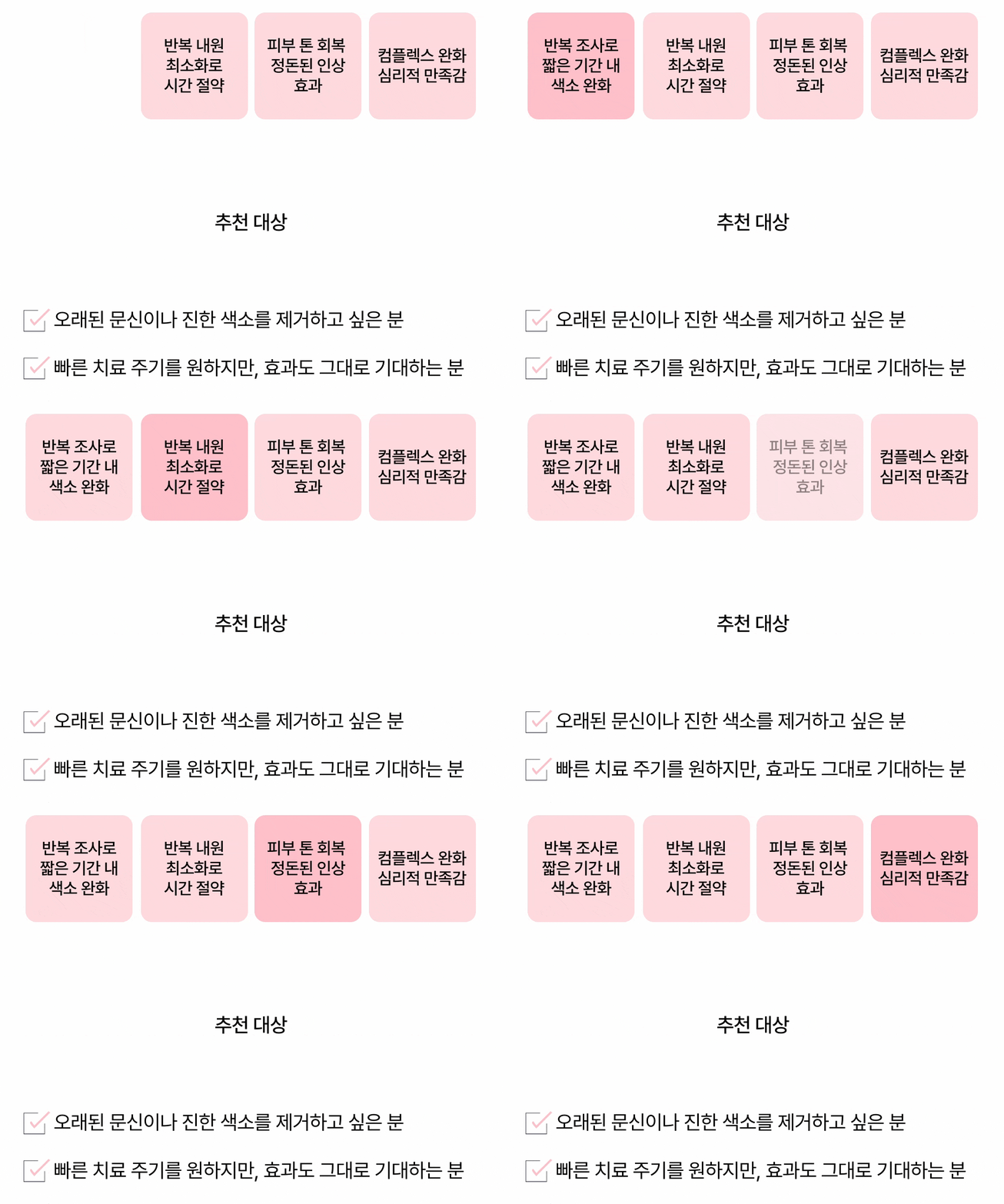
This procedure may be suitable for those who have hesitated to remove tattoos due to frequent clinic visits or long treatment intervals, or for those who wish to remove tattoos quickly.
Q&A
고객님들이 가장 많이 물어보시는 내용을 모았습니다.
What is the R0 tattoo removal method?

R0 tattoo removal is a method where the laser is applied a total of three times during a single visit. Unlike conventional treatments that require waiting several weeks for recovery after laser application, this special method controls the skin's reaction, allowing for multiple applications on the same day. This can help shorten the overall treatment period and reduce the total number of visits required for treatment.
Cautions
Results = Treatment × Aftercare. Please follow the notes below.
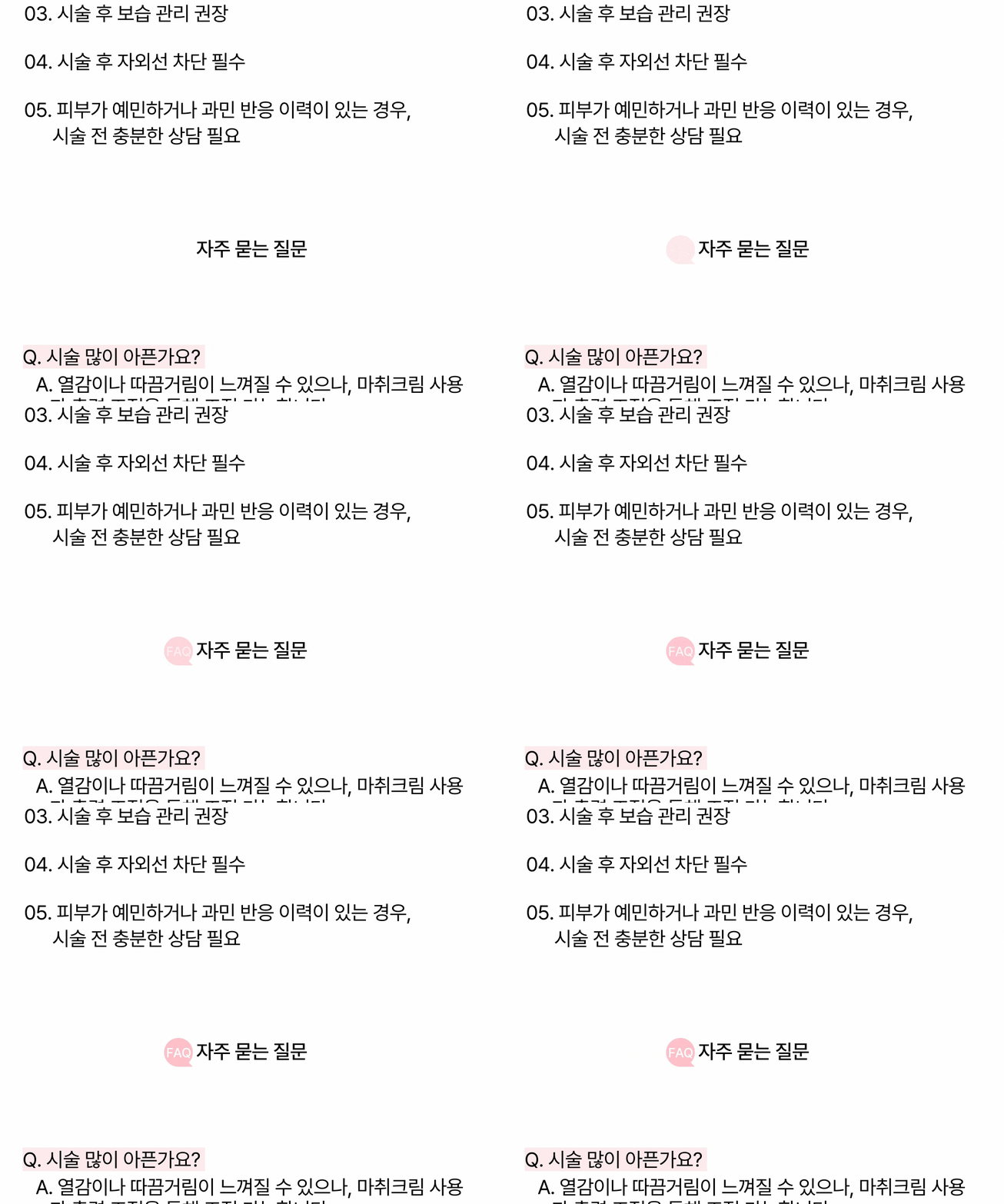
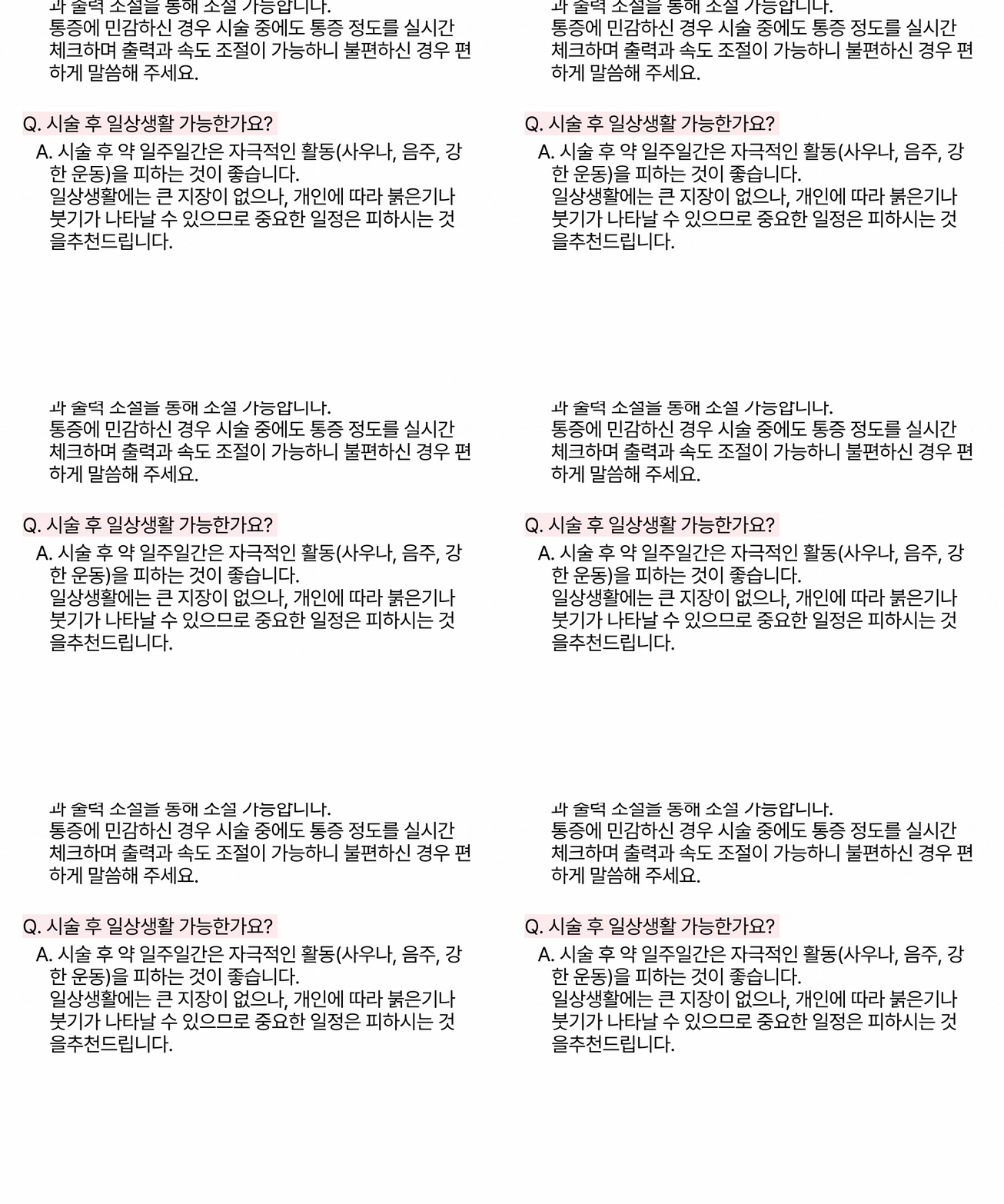
After the procedure, temporary redness, swelling, scabs, blisters, etc., may appear depending on the individual. Pigment changes or other reactions may occur depending on skin type or the condition of the tattoo. During the recovery process, it is recommended to keep the treated area clean and minimize exposure to UV light.